

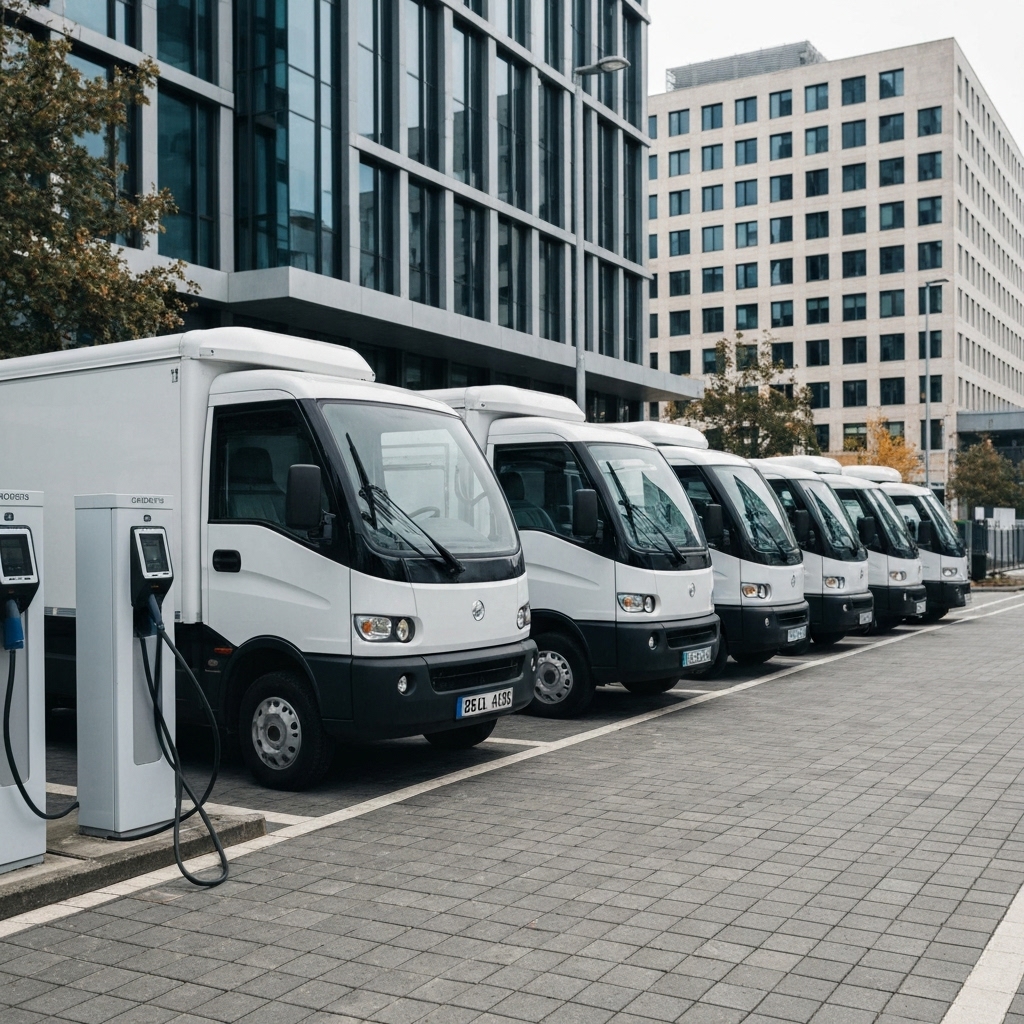
For fleet operators managing anywhere from 50 to 5,000+ vehicles, the question isn't whether to invest in fleet management software - it's how to quantify the return on that investment. After implementing platforms for over 180 Canadian fleet operators, we've identified five areas where properly deployed software consistently delivers measurable financial impact.
1. Fuel Optimization: The Largest Cost Center
Fuel typically represents 30-40% of total fleet operating costs. Modern fleet management systems attack this expense from multiple angles, and the results are substantial.
GPS-based route optimization reduces unnecessary mileage by identifying more efficient paths between stops. For delivery fleets, this alone typically saves 8-12% on fuel consumption. But the bigger wins come from behavioral monitoring.
Telematics data reveals patterns like excessive idling, aggressive acceleration, and speeding - all behaviors that dramatically increase fuel consumption. A construction equipment rental company in Alberta implemented our driver scoring system and saw fleet-wide fuel costs drop by 19% within six months, simply by making drivers aware that their habits were being measured.
"We knew fuel was our biggest expense, but we had no visibility into why some drivers consumed 30% more than others on identical routes. The data made the problem obvious and the solution straightforward."
2. Predictive Maintenance: Preventing Costly Breakdowns
Every fleet manager knows that unplanned repairs cost significantly more than scheduled maintenance. What's often underestimated is just how large that differential is - typically 3-5x the cost of preventive work.
Modern fleet platforms integrate directly with vehicle diagnostic systems (OBD-II for light vehicles, J1939 for heavy-duty) to monitor engine parameters in real-time. When oil pressure trends downward or transmission temperature runs consistently high, the system flags the vehicle for inspection before a catastrophic failure occurs.
Pacific Fleet Solutions, operating 3,200 vehicles across Western Canada, reduced their emergency roadside service calls by 67% after implementing predictive maintenance alerts. More importantly, their average vehicle lifespan increased from 7.2 to 8.9 years - a capital expense reduction worth millions.
Key Metrics to Track
- Mean time between failures (MTBF) - How often vehicles experience breakdowns
- Maintenance cost per kilometer - Total maintenance spend divided by fleet mileage
- Vehicle availability rate - Percentage of fleet operational on any given day
- Emergency repair ratio - Unplanned repairs as percentage of total maintenance events
3. Driver Management: Safety, Compliance, and Productivity
Drivers are simultaneously a fleet's greatest asset and largest liability. Effective fleet software helps manage both dimensions.
Hours of Service (HoS) compliance is mandatory for commercial vehicle operators in Canada. Electronic Logging Devices (ELDs) are now required, but basic compliance is just the starting point. Advanced systems optimize driver schedules to maximize productive driving time while ensuring regulatory compliance - often recovering 8-15% more productive hours compared to manual dispatch.
Safety monitoring through dash cameras and telematics creates accountability that reduces accident rates. One of our transportation clients saw their accident frequency drop by 43% after implementing driver-facing cameras with AI-powered event detection. Beyond the human cost, this translated to $1.2 million in annual insurance premium reductions.
4. Asset Utilization: Getting More From What You Own
Most fleets operate with utilization rates between 60-75%. This means a significant portion of capital sits idle at any given time. Better visibility into actual usage patterns enables smarter asset allocation.
Fleet management platforms reveal which vehicles are genuinely needed versus which are kept "just in case." A regional courier company discovered through utilization analysis that they could serve the same customer base with 15% fewer vehicles by implementing dynamic assignment. That's 15% less capital, insurance, maintenance, and depreciation expense.
For specialty equipment like refrigerated trailers or flatbeds, utilization tracking is even more valuable. These assets cost significantly more than standard vehicles, making every hour of idle time proportionally more expensive.
5. Administrative Efficiency: Time Is Money
The soft costs of fleet management often go unmeasured, but they're substantial. Consider the hours spent on:
- Manual mileage tracking and verification
- Paper-based inspection forms and compliance documentation
- Phone calls to locate vehicles and coordinate pickups
- Spreadsheet-based maintenance scheduling
- Invoice reconciliation for fuel purchases
Automating these processes through integrated fleet software typically reduces administrative overhead by 40-60%. For a fleet of 200 vehicles with two full-time administrative staff, that's the equivalent of adding nearly one additional employee's worth of productivity without the associated cost.
Calculating Your Potential ROI
Every fleet is different, but we've developed a framework for estimating potential returns based on fleet size and composition. Key inputs include:
- Number and type of vehicles
- Annual fuel expenditure
- Current maintenance costs (planned and unplanned)
- Insurance premiums and claims history
- Administrative staff dedicated to fleet operations
For most operators, well-implemented fleet management software pays for itself within 9-14 months through hard cost reductions. The intangible benefits - better customer service through accurate ETAs, improved driver satisfaction through fairer workload distribution, reduced stress from compliance concerns - are harder to quantify but equally real.
Getting Started
If you're evaluating fleet management solutions, we recommend starting with a thorough assessment of your current costs and pain points. Understanding where you're losing money today makes it much easier to prioritize features and calculate expected returns.
Our team at Canada Dev Academy has helped fleet operators across every major industry vertical - from oil field services to last-mile delivery to municipal operations. We'd be happy to share anonymized benchmark data from comparable fleets to help inform your decision.